Everything in one place
Centralize all your events in one place, easily access and manage your event details, update registrations, and download important documents.
The lecture series Beyond the fight consists of three lectures and a two-day seminar.
In this inaugural lecure of 'Beyond the fight', Dr. Alex Channon challenges the widespread assumption that fighting is inherently violent. Drawing on cutting-edge research in martial arts studies, he invites the audience to look beyond punches and kicks and to examine how consent, mutual trust, and moral responsibility shape embodied encounters in training halls and competitive arenas. What makes some forms of physical confrontation socially accepted, even celebrated, while others are condemned? And what can this teach us about how we understand violence in everyday life? This lecture demonstrates how martial arts can function not as drivers of harm, but as tools for anti-violence advocacy and consent education.
The inaugural lecture is followed by a hands-on workshop that uses games inspired by martial arts practice. The workshop is designed to help young people explore, experience, and better understand consent in innovative and meaningful ways. As places are limited, we kindly ask participants to register for the workshop separately.
A reception will follow the workshop.
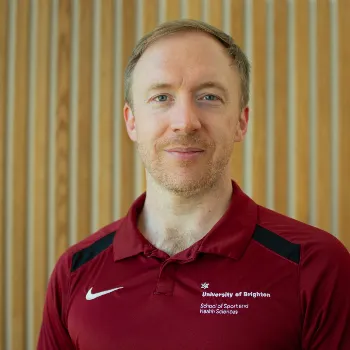
This lecture builds on the theme of nonviolent combat, exploring how martial arts become a resource for participants to experience varying levels of socially desirable risk, generated by and encountered at the level of each other’s bodies. It will explore how martial artists imagine risks pertaining to “real” violence, and how learning to fight enables them to psychologically manage these risks. It will also examine more tangible risk management practices employed in competitive combat sports, highlighting the social construction of risk as a desirable experience for practitioners and spectators.
The lecture draws primarily on the chair holder’s research into the work undertaken by medical professionals and high-profile referees in mixed martial arts.
This lecture examines how gender relations and performances of identity manifest in the sociocultural context of martial arts. With reference to their symbolic proximity to “violence” and historical domination by men and masculinity, it will examine how far women’s increasing presence within them has challenged traditional constructions of gender, and to what extent these challenges have been resisted. Briefly touching on contemporary fears around transgender inclusion in martial arts, the lecture will also acknowledge the intersections of gender with other aspects of identity, namely sexuality and ethnicity, and explore their complexities in contemporary martial arts culture.
This lecture draws on the chair holder’s research into mixed-gender training, media representation of female combat athletes, and trans experiences in martial arts.
Manage all your registrations in one place
or
Already have an account?
Login
Centralize all your events in one place, easily access and manage your event details, update registrations, and download important documents.