
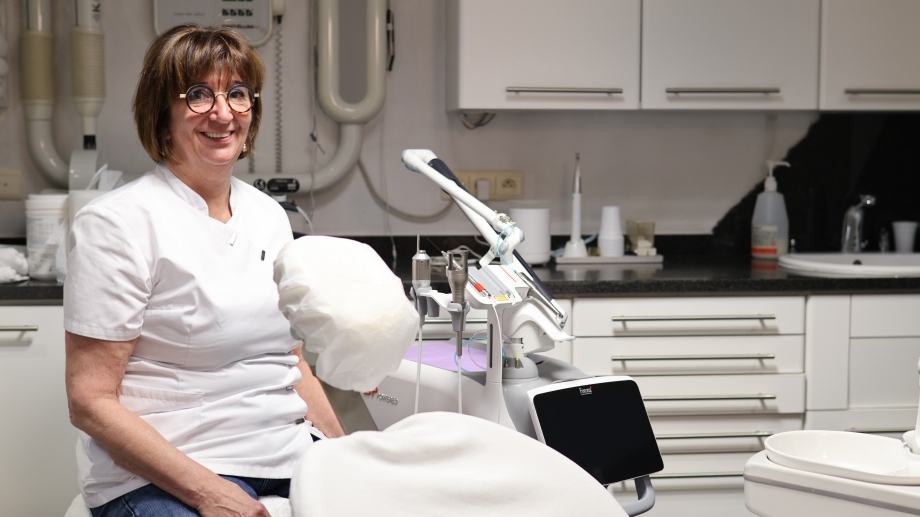
For 35 years, there has been an alternative to traditional methods for treating gum problems: laser technology. However, it is rarely used in Belgium, mainly for economic reasons. Dentist ans specialist Beatrijs Deruyter, who has been working with this technology since the beginning, wants to change this through a symposium organised by the VUB and the University Dental Centre (UTC) on February 12th.
In dental circles, only a few are familiar with laser technology. What is this device actually used for?
Beatrijs Deruyter: "The technology is ideal for cleaning the mouth in cases of periodontal problems. A healthy mouth relies on a natural balance between the microorganisms (such as bacteria, viruses and fungi) that live in the mouth and your body's immune system. Normally, the skin and oral mucosa protect you against harmful intruders, but around the teeth, this protective layer is interrupted. In this area, unwanted microorganisms can penetrate and cause inflammation. If the immune system can no longer cope with this burden, a serious gum disease develops in which soft tissue, the fibres that hold the tooth in place, and even jawbone can be lost.
How are periodontal problems treated in most practices?
"The classic treatments are scaling and root planing, in which tartar and affected tissue are mechanically removed using an ultrasonic device and curettes (sharp scraping instruments). However, these curettes are often very invasive, painful and can cause damage. This is because you are not only removing diseased tissue, but also healthy material that could still recover. Moreover, they do not seal the small channels in the root surface, which can cause new problems."
"Gum inflammation is usually caused by bacteria that can also be found in the brains of Alzheimer's patients"
What additional problems are we talking about?
"Gum inflammation is usually caused by infection with certain bacteria, with Porphyromonas gingivalis being the main culprit. This bacterium often occurs in symbiosis with certain viruses, such as the Epstein-Barr virus and other herpes viruses. These bacteria are also often found in the brains of Alzheimer's patients. You can fight this bacterium with antibiotics, but that obviously doesn't help against viruses. With heat – and therefore with a laser – you can do something about it. What's more, this also closes off the reservoirs in which bacteria or viruses can nestle. These are tiny openings – around 30,000 to 60,000 per square millimetre – in the dentine, i.e. the tooth tissue that is not protected by enamel or cementum."
How exactly does this laser work? Do you fire beams of light at the gums or something?
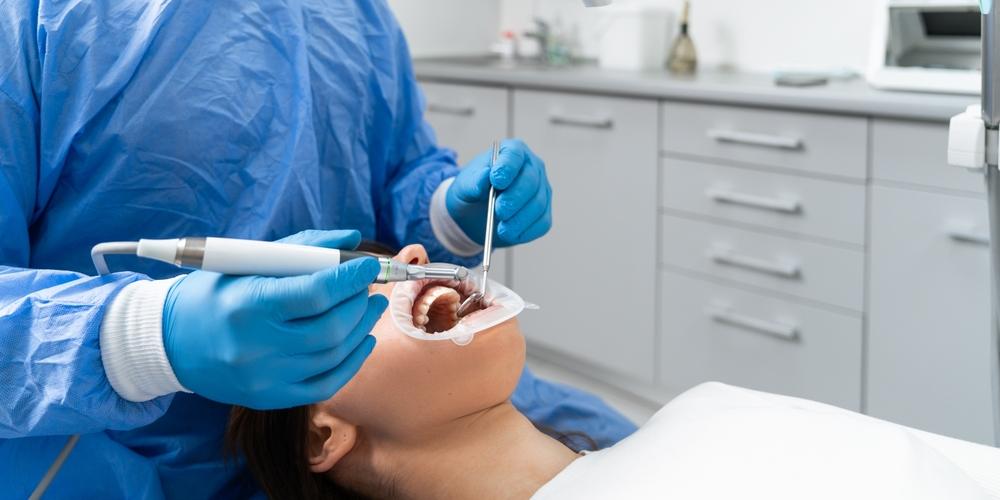
"No, not at all. This technique uses energy pulses that work very precisely. Not only do they eliminate bacteria and viruses and seal the open channels in the tooth surface, but they also thoroughly clean the tissue and stimulate natural repair processes – without causing heat or burn damage."
"The laser has other advantages as well. The treatment is completely painless, which means that the entire mouth can be treated in one go, whereas with curettes, treatment is usually limited to one quadrant per session. The disadvantage of this method is that bacteria and viruses from the untreated area can still re-infect the treated area. Both practical experience and research show that long-term results are better when the entire mouth is cleaned in one go, especially in combination with laser therapy. Furthermore, it is recommended, both for general health and in preparation for the placement of implants, to carry out preventive oral sanitation. This allows us to prevent many problems. The laser therefore offers added value and complements periodontology."
That all sounds very appealing, so you would think that every dentist would have such a device in their practice. Is that the case?
"Unfortunately not. I have been using this method for about 35 years now, and the UTC at the VUB has had such a device since October 2025. You can also find them at the universities of Ghent and Leuven and a handful of other private practices. But that's about it in Belgium."
"There are medical reasons to invest in it, but no economic ones"
Why is there so little enthusiasm for a technology that is so effective and can help patients so much?
"Of course, it's a big investment, on top of the other equipment you already need as a dentist. The price of such a device is comparable to a nice car, so that can add up. But it should certainly be feasible, especially in a group practice."
But wouldn't such an investment quickly pay for itself? Dentists who offer this treatment and communicate about it in a sensible way could attract a lot of extra patients to their practice, couldn't they?
"That's precisely the problem: most dentists have no intention of attracting even more patients. There are currently around 5,000 dentists in Flanders and the Brussels-Capital Region, more than half of whom are over 60 years of age. So there is already a significant shortage of dentists, and this is only going to increase. As a result, many practices are not accepting new patients. So why spend a lot of money on such a device? There are indeed medical reasons to invest in it – I do so, for example, because I believe my patients deserve safe, painless and efficient care. That's what healthcare is all about, isn't it?"
If that device is so expensive, the treatment must not be cheap either.
"I charge the price recommended by the RIZIV for subgingival cleaning. That is 100 euros per quadrant, so a maximum of 400 euros for the whole mouth. Anyone under the age of 65 who comes in regularly for check-ups for periodontal problems can get 360 euros back every three years. How often you need to return depends on the patient, but for most people it is certainly no more expensive than traditional treatment – on the contrary."
Bio
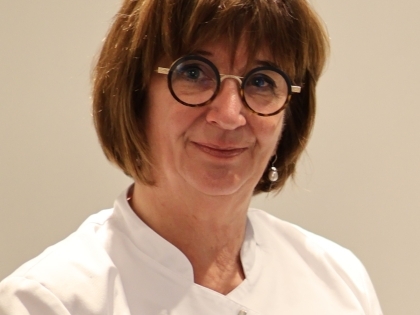
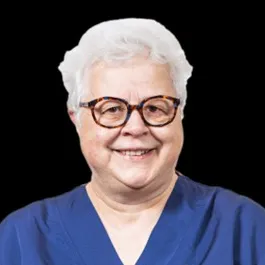
Dentist Beatrijs Deruyter graduated as a dentist from the VUB in 1980. She then obtained a master's degree in laser dentistry from the University of Vienna, an additional master's degree from the Academy for Laser Dentistry in the US and a Master of Science in Laser Dentistry from the University of Genoa. From 2013 to 2018, she was affiliated with the Periodontology Department at KU Leuven, where she simultaneously worked on a PhD in biomedical sciences on the subject of lasers in periodontology. Although officially retired since 2021, she is still active in her private practice in Liedekerke. Since the 2024-2025 academic year, she has also been affiliated with the UTC of the VUB, where she treats patients with the laser and also supervises students in the second Master's programme in Dentistry at Ghent University.
For 35 years, there has been an alternative to traditional methods for treating gum problems: laser technology. However, it is rarely used in Belgium, mainly for economic reasons. Dentist ans specialist Beatrijs Deruyter, who has been working with this technology since the beginning, wants to change this through a symposium organised by the VUB and the University Dental Centre (UTC) on February 12th.
In dental circles, only a few are familiar with laser technology. What is this device actually used for?
Beatrijs Deruyter: "The technology is ideal for cleaning the mouth in cases of periodontal problems. A healthy mouth relies on a natural balance between the microorganisms (such as bacteria, viruses and fungi) that live in the mouth and your body's immune system. Normally, the skin and oral mucosa protect you against harmful intruders, but around the teeth, this protective layer is interrupted. In this area, unwanted microorganisms can penetrate and cause inflammation. If the immune system can no longer cope with this burden, a serious gum disease develops in which soft tissue, the fibres that hold the tooth in place, and even jawbone can be lost.
How are periodontal problems treated in most practices?
"The classic treatments are scaling and root planing, in which tartar and affected tissue are mechanically removed using an ultrasonic device and curettes (sharp scraping instruments). However, these curettes are often very invasive, painful and can cause damage. This is because you are not only removing diseased tissue, but also healthy material that could still recover. Moreover, they do not seal the small channels in the root surface, which can cause new problems."
"Gum inflammation is usually caused by bacteria that can also be found in the brains of Alzheimer's patients"
What additional problems are we talking about?
"Gum inflammation is usually caused by infection with certain bacteria, with Porphyromonas gingivalis being the main culprit. This bacterium often occurs in symbiosis with certain viruses, such as the Epstein-Barr virus and other herpes viruses. These bacteria are also often found in the brains of Alzheimer's patients. You can fight this bacterium with antibiotics, but that obviously doesn't help against viruses. With heat – and therefore with a laser – you can do something about it. What's more, this also closes off the reservoirs in which bacteria or viruses can nestle. These are tiny openings – around 30,000 to 60,000 per square millimetre – in the dentine, i.e. the tooth tissue that is not protected by enamel or cementum."
How exactly does this laser work? Do you fire beams of light at the gums or something?
"No, not at all. This technique uses energy pulses that work very precisely. Not only do they eliminate bacteria and viruses and seal the open channels in the tooth surface, but they also thoroughly clean the tissue and stimulate natural repair processes – without causing heat or burn damage."
"The laser has other advantages as well. The treatment is completely painless, which means that the entire mouth can be treated in one go, whereas with curettes, treatment is usually limited to one quadrant per session. The disadvantage of this method is that bacteria and viruses from the untreated area can still re-infect the treated area. Both practical experience and research show that long-term results are better when the entire mouth is cleaned in one go, especially in combination with laser therapy. Furthermore, it is recommended, both for general health and in preparation for the placement of implants, to carry out preventive oral sanitation. This allows us to prevent many problems. The laser therefore offers added value and complements periodontology."
That all sounds very appealing, so you would think that every dentist would have such a device in their practice. Is that the case?
"Unfortunately not. I have been using this method for about 35 years now, and the UTC at the VUB has had such a device since October 2025. You can also find them at the universities of Ghent and Leuven and a handful of other private practices. But that's about it in Belgium."
"There are medical reasons to invest in it, but no economic ones"
Why is there so little enthusiasm for a technology that is so effective and can help patients so much?
"Of course, it's a big investment, on top of the other equipment you already need as a dentist. The price of such a device is comparable to a nice car, so that can add up. But it should certainly be feasible, especially in a group practice."
But wouldn't such an investment quickly pay for itself? Dentists who offer this treatment and communicate about it in a sensible way could attract a lot of extra patients to their practice, couldn't they?
"That's precisely the problem: most dentists have no intention of attracting even more patients. There are currently around 5,000 dentists in Flanders and the Brussels-Capital Region, more than half of whom are over 60 years of age. So there is already a significant shortage of dentists, and this is only going to increase. As a result, many practices are not accepting new patients. So why spend a lot of money on such a device? There are indeed medical reasons to invest in it – I do so, for example, because I believe my patients deserve safe, painless and efficient care. That's what healthcare is all about, isn't it?"
If that device is so expensive, the treatment must not be cheap either.
"I charge the price recommended by the RIZIV for subgingival cleaning. That is 100 euros per quadrant, so a maximum of 400 euros for the whole mouth. Anyone under the age of 65 who comes in regularly for check-ups for periodontal problems can get 360 euros back every three years. How often you need to return depends on the patient, but for most people it is certainly no more expensive than traditional treatment – on the contrary."
Bio
Dentist Beatrijs Deruyter graduated as a dentist from the VUB in 1980. She then obtained a master's degree in laser dentistry from the University of Vienna, an additional master's degree from the Academy for Laser Dentistry in the US and a Master of Science in Laser Dentistry from the University of Genoa. From 2013 to 2018, she was affiliated with the Periodontology Department at KU Leuven, where she simultaneously worked on a PhD in biomedical sciences on the subject of lasers in periodontology. Although officially retired since 2021, she is still active in her private practice in Liedekerke. Since the 2024-2025 academic year, she has also been affiliated with the UTC of the VUB, where she treats patients with the laser and also supervises students in the second Master's programme in Dentistry at Ghent University.
Sleep, Health & Society is building an independent center that brings together science, practice, and society around sleep health. Our ambition: health and well-being for everyone, with sleep as the foundation for prevention, performance, and mental well-being.
Sleep is not a luxury; it is fundamental to physical and mental health, and an underestimated key to productivity, safety, and innovation. Hundreds of millions of people worldwide suffer from sleep disorders; in Belgium, an estimated >1.5 million people have chronic complaints. Up to 80% remain undiagnosed and untreated. We want to help change that.
• Increased healthcare costs (including diabetes, cardiovascular disease, depression)
• Loss of productivity and absenteeism
• Accidents and safety risks
• Reduced quality of life
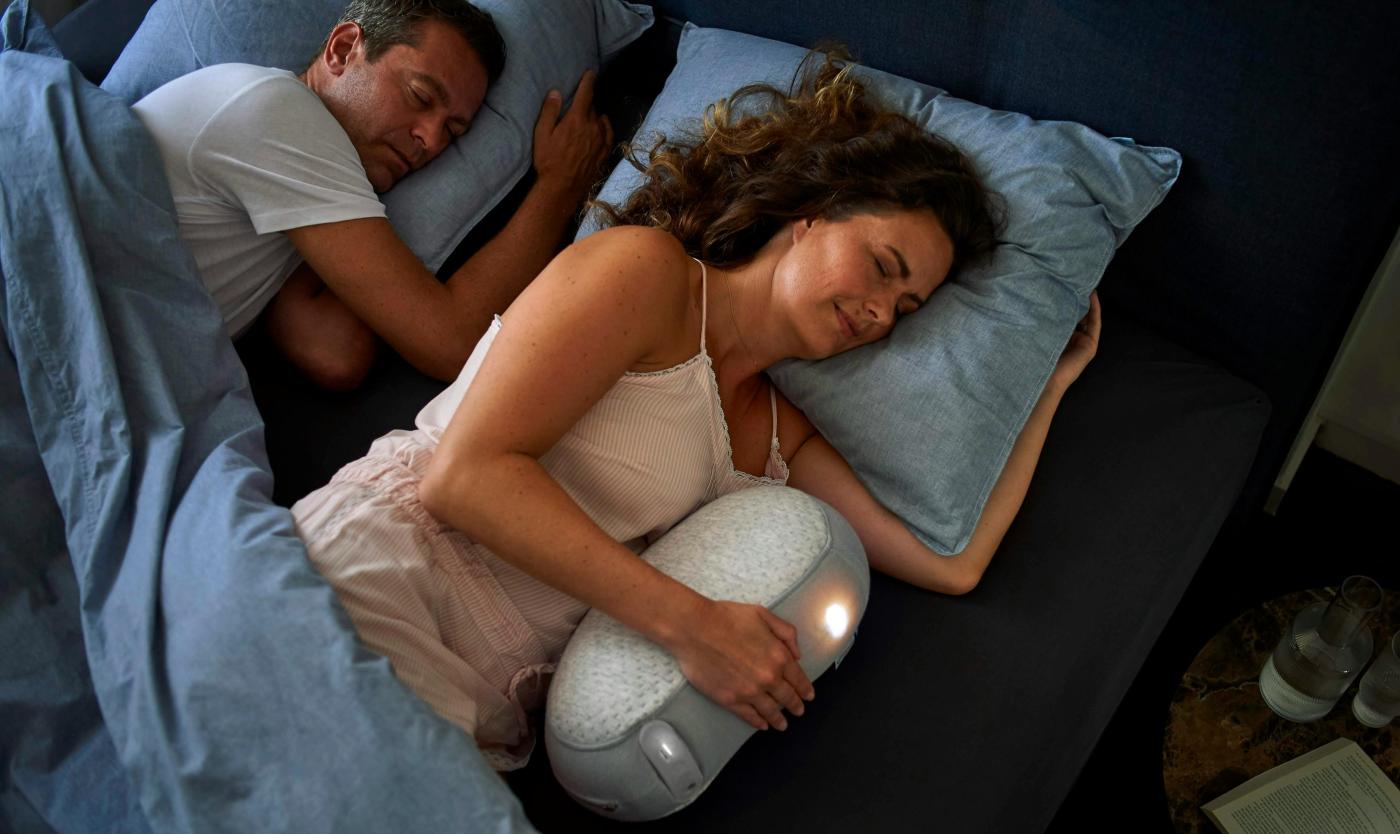
We develop and connect evidence-based knowledge, practical tools, and networks to improve sleep health across the board—so insights flow faster into education, work, healthcare, and policy.
1) Research & innovation—we support research and translate insights into practical solutions.
2) Accessible screening & tools – we develop widely applicable instruments for prevention and screening.
3) Training & knowledge sharing – lectures, knowledge evenings, and materials for healthcare, education, work, and policy.
4) Network & policy – we connect experts and strengthen social impact with digital applications and measurable indicators.
• Citizens & families – understand your sleep and improve your well-being
• Healthcare professionals – practical tools and training
• Employers – prevention, safety, and productivity
• Schools & education – learn better through better sleep
• Policymakers – insights and impact measurements
• Early recognition of sleep problems
• Measurable improvements in well-being at school and work
• Fewer absences and accidents due to better sleep
• Stronger networks between science, healthcare, and practice
(Follow-up via periodic impact reporting)
Together, we accelerate innovation and social impact. Partners receive:
1) Visibility & profiling
Name and logo mention (website, publications, reports), co-branding in campaigns, mention at events.
2) Value for your brand
Link to a progressive, socially relevant theme and the VUB; strengthening of social positioning and employer branding.
3) Network & access to expertise
Invitations to lectures, networking events, and meetings with researchers and policymakers (national & international).
4) Product integration & interaction
Integration of relevant products/services in the interactive sleep test with personalized recommendations for visitors.
Donate online or by bank transfer to the VUB's account number BE51 0013 6779 3562, mentioning GIFTPR24. Donations of €40 or more are tax deductible.
Prof. Dr. Miche De Meyer, graduated from Ghent University. She is a dental expert in sleep medicine, a passionate researcher, networker (affiliated with the universities of Ghent, Nijmegen, Sheffield, Portugal), lecturer and clinician (AZ Jan Palfijn, Ghent) and government-appointed contact person for the OSAS convention in Belgium.
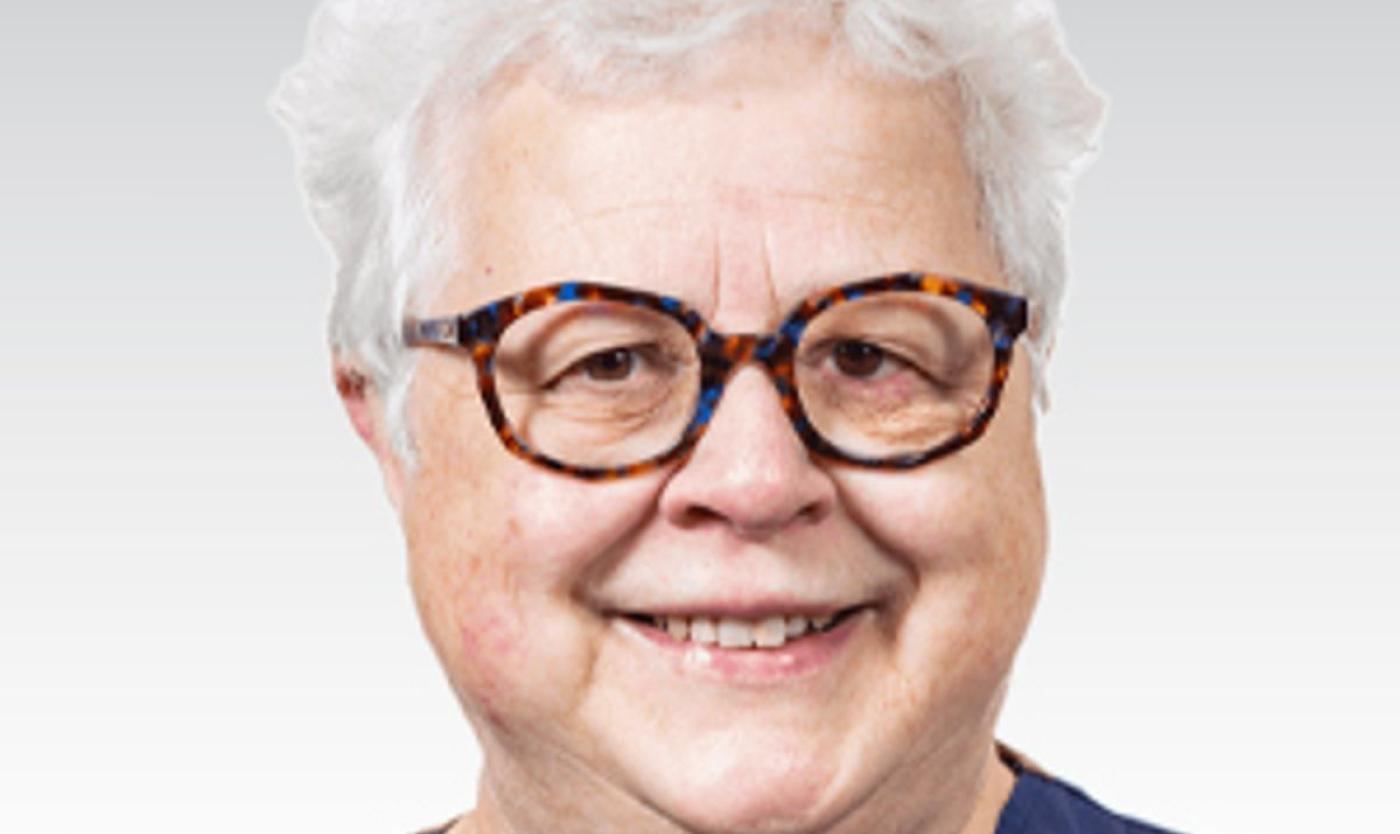
Johan Bilsen has had a long career in social science research (both quantitative epidemiological and qualitative) in the field of public health and general well-being. His research covers various subdomains, including fundamental etiological research, research into risk factors, and research into healthcare and policy relating to mental health and general well-being.
His research focused primarily on cognitive information integration and psychometrics in the field of sleep research. In 2004, he was awarded the Young Scientist's Award by the European Sleep Research Society for his research into psychomotor performance and executive functioning in sleep apnea. In 2009, he won the André Kahn Sleep Award from the Belgian Society for Sleep Research and Sleep Medicine for his work on cognitive algebraic integration in sleepiness assessments.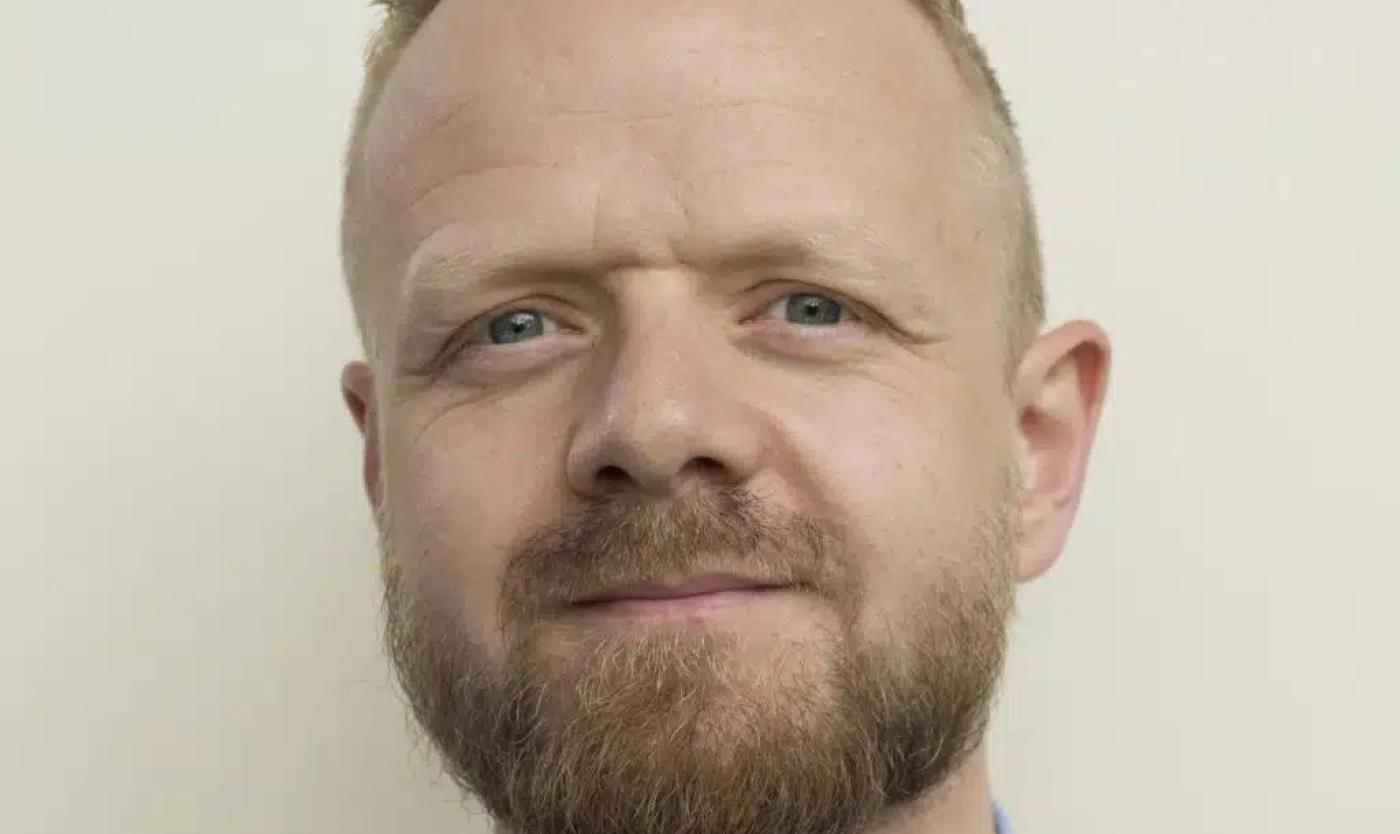
For the very first time the University Dental Centre (UTC) at Vrije Universiteit Brussel (VUB) is organising a one-day symposium for dentists as part of its accredited continuing education programme. The focus is on innovation, both in approach and in the themes covered. This has proven to be a successful formula, as the event is almost fully booked. Additionally, VUB hopes to introduce a new accredited undergraduate degree in dentistry, taking responsibility for addressing the structural shortage of general dentists in Flanders. VUB is determined to sink its teeth into the issue, after its dentistry programme was discontinued some 20 years ago.
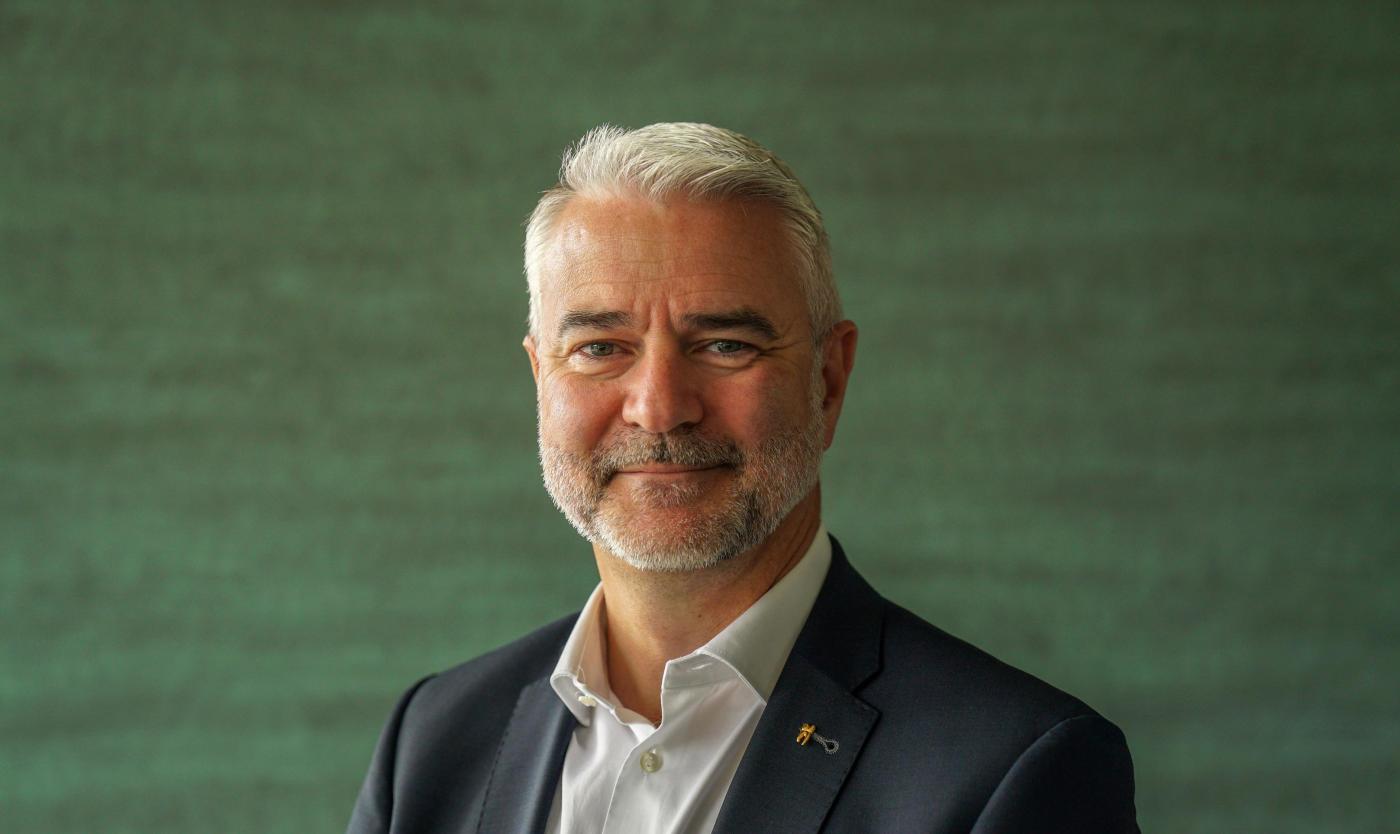
On 27 February, the University Dental Centre will host its inaugural UTC-VUB Innovation Day Symposium. Professor Dr Dent. Johan Aps, coordinator of the dentistry programme, had modestly hoped for 100 registrations. Just over a week before the deadline, that number has already reached 120. So, what’s behind the success?
Johan Aps: "We opted for a fresh approach, and it seems to be working. The government expects dentists to engage in continuous professional development. Those who earn 100 training points per year by attending accredited courses receive financial support from the National Institute for Health and Disability Insurance (RIZIV). A traditional training day consists of four courses, earning participants 40 points. We’ve gone one step further, offering five courses in a single day. This means that dentists attending our symposium will have already secured half of their required points at the start of the year. After the summer, we’ll offer additional courses, ensuring they can reach the full 100 points without last-minute stress."
That sounds like a long day on 27 February?
"The symposium starts at 9 am and wraps up around 10 pm – nearly a full 12 hours, indeed. Seven engaging speakers will deliver five lectures. However, there will be plenty of opportunities to pause, enjoy some refreshments, and chat with colleagues between sessions."
Is the programme as innovative as the format?
"Absolutely. We’ve selected five cutting-edge topics that will give attendees plenty to think about. For example, Dr Dent. Mohammed Ahmed will provide insights into creating a more sustainable workflow in dental practices. Dentists generate tonnes of plastic waste each year. Since much of it is contaminated, it can’t simply be disposed of with general or recyclable waste, and specialised collection services are costly. Mohammed Ahmed will propose alternative solutions."
Professor Dr Karlien Asscherickx will be addressing extractions in orthodontic treatments. What’s the focus of her talk?
"Extractions are not an ideal medical practice, as they involve removing healthy teeth. Interestingly, orthodontists make different choices depending on where they were trained. You can often recognise the ‘signature’ of their alma mater in their patients' dental work. Karlien Asscherickx will explore potential alternatives to extractions."
One lecture topic stands out as particularly current: 3D printing in dental practices.
"That’s right. Dentist Wouter Reybrouck and dental technician Bob Elst are not affiliated with any academic institution, but they are leading experts in 3D printing. Wouter has equipped his practice with all the necessary technology to print crowns, fillings, and other prosthetics on-site. This allows him to treat patients in a single day – carrying out preparatory work in the morning and fitting the prosthetic a few hours later. The precision and quality of the materials are excellent, even without involving an external dental lab. By cutting out those extra steps, treatments become more affordable as well."
Professor Dr Dent. Johan Aps
You had hoped to make an important announcement at the Innovation Day Symposium.
"In 2024, VUB submitted an application to the Flemish government to reinstate its dentistry programme. We began preparations a year ago, and our Bachelor in Dentistry curriculum has already been accredited. The new programme has also been included in the Flemish government’s coalition agreement. All the necessary administrative procedures have been completed—we are now awaiting financial support from Education Minister Zuhal Demir. Hopefully, that will come through soon."
The dentistry programme at VUB was discontinued 20 years ago. Why is there now a need to relaunch it?
"There is an urgent shortage of dentists, particularly general dentists. In the 1980s, there were actually too many, but over the last 40 years, the number of students pursuing dentistry has steadily declined. At the same time, the demographic composition of the student population has changed, and the way the profession is structured has evolved. Now, we’re facing a crisis—something every patient who has struggled to find a dentist has experienced first-hand."
What do the figures tell us?
"By 2030, half of all general dentists in Flanders and the Brussels-Capital Region will be over 60 years old. That means around 2,800 dentists have already retired or will do so soon. Over the past 15 years, Ghent University (UGent) and KU Leuven have together produced around 100 new dentists per year. If this trend continues, fewer than 1,000 new dentists will have entered the profession by 2030. This shortage is the result of short-sighted policies by all stakeholders."
That’s not enough to replace the 2,800 dentists approaching retirement, is it?
"That’s correct. Many dentists already have long waiting lists or have had to stop accepting new patients. That’s why we’re taking the initiative to reintroduce a dentistry programme in Brussels. We have the potential to rebuild a clinic and a modern, fully up-to-date training centre where, within the existing infrastructure, we could train students."
Will that, combined with the programmes in Ghent and Leuven, be sufficient?
"As you know, students must pass an entrance exam before they can start studying dentistry. The government has gradually increased the intake quota, first from 181 to 218, and for the next academic year to 252. This means that 252 students will soon be allowed to start the course. However, for each of these students, there must be a physical training space and enough staff, as dentistry is a medical-technical discipline—every student needs to practise on a preclinical treatment unit. The government will therefore have to assess how many training places are actually available at each university. To effectively address the structural shortage of general dentists, students must be able to receive training at the VUB. UGent and KU Leuven have reached their limits. VUB is fully committed to taking on its social responsibility here."
Will all 252 available places actually be filled?
"That’s another issue. Of the 1,500 young people who take the dentistry entrance exam, just over 300 pass. However, last year, only around 150 actually enrolled, even though 218 places were available. We don’t know why students drop out, and that’s something that should really be investigated. Another problem is that only the top 218 ranked candidates are invited to enrol. If they choose not to, those places remain unfilled because lower-ranked but still successful candidates are not contacted. That should change, in my opinion. Organising the entrance exam is an expensive undertaking."
The VUB medical programme is known for its unique approach, including patient contact from the very first year. Will the dentistry course follow a similar model?
"Yes, from the first year, students will have observation opportunities in the clinic, allowing them to interact with both patients and practising dentists. Throughout the curriculum, we take a slightly different approach. In fact, the international body that accredited our programme commended us for this—they found our curriculum to be an inspiration for other institutions. Our ambition is to train general dentists with a solid medical foundation, strong clinical and technical skills, and an empathetic approach to finding the best solution for every patient."
Can you give an example of how that translates into practice?
"Not everyone can afford to spend tens of thousands of euros on a Hollywood-style smile. If a training programme consistently promotes the most expensive solutions for all patients, then something is wrong—that doesn’t align with VUB’s values. Moreover, such an approach is unrealistic. A more affordable option doesn’t mean lower-quality dentistry, and that’s something we need to make clear."
What other advantages does the VUB programme offer?
"To better serve our diverse patient population, our students will be trained to work not only in Dutch but also in French. In addition, we plan to use haptic simulators. These can be compared to the simulators used by Formula 1 drivers like Max Verstappen to test new cars and race tracks. They are training devices that allow students to practise dental procedures in a virtual environment with real tactile feedback. With these simulators, every student can perform the same exercise, and their performance can be objectively assessed. We can also introduce variations by incorporating real intraoral scans and X-rays from actual patients. It’s an incredible tool that closely replicates real-life conditions."*
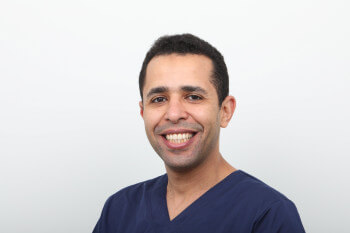
Dr. Mohammed Ahmed is a dentist at the University Dental Centre (UTC) on the Brussels Health Campus in Jette. Two years ago, he began researching sustainability in dentistry, and this year, his efforts were recognised with an award at the prestigious international FDI dental congress.
"In dentistry, a huge amount of single-use plastic is used," says Dr. Ahmed. "Dentists see at least 15 patients a day, and even for a routine check-up, around 200 grams of plastic ends up in the bin per patient. That adds up to about 3 kilograms per day in gloves, masks, and dental materials. The usage increases significantly during treatments and procedures. According to statistics from the National Institute for Health and Disability Insurance (RIZIV), 3 million composite fillings were placed last year alone (comprising resin, binding agents, and inorganic fillers like quartz and glass), resulting in thousands of tonnes of plastic waste entering the waste cycle from dental practices."
The major issue with this waste is that it isn't recycled, as it is classified as medical waste, requiring separate incineration. "This process is highly energy-intensive. Special filters are used to capture harmful gases, which are costly, and cleaning these filters is far from environmentally friendly."
No PMD Bag in the Practice
Waste sorting isn't permitted in dental practices under current legislation—a missed opportunity, according to Dr. Ahmed. "Dentists need to be aware of the volume of waste they generate. It’s important to understand where that waste comes from. For example, during a check-up, a patient wears a bib with 10 grams of paper on the front and 10 grams of plastic on the back. The flexible tips of saliva ejectors, which weigh around 30 grams, contain a small metal part inside. When placing a filling, adhesive material is applied with a plastic micro-applicator—two are used per filling, weighing a total of 1 gram. It may not seem like much, but when you consider there are 6,700 dentists in Belgium, 310,000 in Europe, and 1.2 million worldwide, that tiny instrument alone contributes 1,500 tonnes of waste per year globally."
"All of this waste is incinerated because it’s considered contaminated. But is that really necessary?" he asks. "If I wash my hands and use a tissue, it’s not contaminated and could go in regular waste. The same goes for a mask used during a check-up that shows no trace of blood. When new materials arrive and are unwrapped in the clinic, that packaging also ends up as medical waste, although it could easily be sorted into PMD (plastic, metal, and drink cartons) waste. We urgently need policymakers like the Ministry of Health and RIZIV to provide proper guidance on this."
Eco-Friendly Alternatives
"Dentistry is one of the most carbon-intensive sectors in the world. We need to shift towards a new generation of materials and tools with a lower environmental impact," says Dr. Ahmed. As part of his research, he has collaborated with industry partners to develop prototypes of micro-applicators made from CO2-neutral wood or bamboo, as well as models in PLA (polylactic acid), a biodegradable plastic with a smaller carbon footprint. "Incinerating PLA as medical waste requires 13 times less energy," he explains. These prototypes have been patented under the name DentPlanet, and they’ve also developed paper-based fluoride trays, which are currently made from foam rubber and used by dentists to protect children’s teeth for 15 minutes during treatment. Both the micro-applicators and fluoride trays have received CE certification, confirming their compliance with European safety, health, and environmental standards.
For those who think they’re doing better at home, Dr. Ahmed has a wake-up call. "A family with two young children uses around 1.5 kg of dental care products per year. That adds up to nearly 1 million kilograms of waste in Belgium just from brushing our teeth. It’s shocking, isn’t it? Last year, I proposed the first plantable toothbrush. After use, you can plant this wooden toothbrush, which has a small hole with seeds inside. It not only reduces ecological impact but also gives something back to nature, creating ecological benefits."
Just like organic products in supermarkets, eco-friendly dental products tend to be more expensive than their non-eco counterparts. "This is due to higher manufacturing costs. Concessionary dentists aren’t allowed to pass on these extra costs to their patients, so we have to rely on the goodwill and environmental awareness of the dentist to make these purchases," says Dr. Ahmed. "Our research has shown that awareness of eco-friendly dental materials is almost non-existent. This is the challenge I’m facing." Dr. Ahmed provides accreditation courses for dentists on reducing dental waste. On Thursday, 27th February 2025, he will present his findings at the VUB UTC Symposium on ‘Innovation’, delivering a talk on ‘Research into an Ecological Workflow in Dental Practices’.*
30th of september 2024
The FDI Sustainability Award plays a key role in promoting and acknowledging sustainability initiatives in dental practices worldwide. This year, the sustainability champions received their awards at the World Dental Congress in Istanbul.
The FDI Sustainability Award plays a pivotal role in encouraging and recognizing sustainability efforts within dental practices around the world. This prestigious award provides an opportunity for both individuals and dental practices to gain global recognition for their outstanding contributions toward eco-friendly and sustainable dental care.

"FDI promotes environmental responsibility in dentistry This year, FDI granted four awards – two for dental practices and two for individuals – each honouring those who have gone above and beyond to enhance sustainability in their operations. In the Dental Practice Category, Dove Holistic Dental Centre from the United Kingdom was recognized for its comprehensive approach to integrating sustainable methods into everyday dental care. Consultorio Dr Sartori from Uruguay also received an award for its dedication to reducing the environmental impact of its practice. In the Individual Category, Dr Mohammed Ahmed from Belgium was honoured for his personal contributions to sustainable dental practices, while Dr Robert Panjkov from Australia was awarded for his innovative efforts in eco-friendly dentistry. These awards highlight the global commitment to a greener future in the dental industry, showcasing both individual and collective efforts to reduce environmental footprints and promote sustainability.
For 35 years, there has been an alternative to traditional methods for treating gum problems: laser technology. However, it is rarely used in Belgium, mainly for economic reasons. Dentist ans specialist Beatrijs Deruyter, who has been working with this technology since the beginning, wants to change this through a symposium organised by the VUB and the University Dental Centre (UTC) on February 12th.
In dental circles, only a few are familiar with laser technology. What is this device actually used for?
Beatrijs Deruyter: "The technology is ideal for cleaning the mouth in cases of periodontal problems. A healthy mouth relies on a natural balance between the microorganisms (such as bacteria, viruses and fungi) that live in the mouth and your body's immune system. Normally, the skin and oral mucosa protect you against harmful intruders, but around the teeth, this protective layer is interrupted. In this area, unwanted microorganisms can penetrate and cause inflammation. If the immune system can no longer cope with this burden, a serious gum disease develops in which soft tissue, the fibres that hold the tooth in place, and even jawbone can be lost.
How are periodontal problems treated in most practices?
"The classic treatments are scaling and root planing, in which tartar and affected tissue are mechanically removed using an ultrasonic device and curettes (sharp scraping instruments). However, these curettes are often very invasive, painful and can cause damage. This is because you are not only removing diseased tissue, but also healthy material that could still recover. Moreover, they do not seal the small channels in the root surface, which can cause new problems."
"Gum inflammation is usually caused by bacteria that can also be found in the brains of Alzheimer's patients"
What additional problems are we talking about?
"Gum inflammation is usually caused by infection with certain bacteria, with Porphyromonas gingivalis being the main culprit. This bacterium often occurs in symbiosis with certain viruses, such as the Epstein-Barr virus and other herpes viruses. These bacteria are also often found in the brains of Alzheimer's patients. You can fight this bacterium with antibiotics, but that obviously doesn't help against viruses. With heat – and therefore with a laser – you can do something about it. What's more, this also closes off the reservoirs in which bacteria or viruses can nestle. These are tiny openings – around 30,000 to 60,000 per square millimetre – in the dentine, i.e. the tooth tissue that is not protected by enamel or cementum."
How exactly does this laser work? Do you fire beams of light at the gums or something?
"No, not at all. This technique uses energy pulses that work very precisely. Not only do they eliminate bacteria and viruses and seal the open channels in the tooth surface, but they also thoroughly clean the tissue and stimulate natural repair processes – without causing heat or burn damage."
"The laser has other advantages as well. The treatment is completely painless, which means that the entire mouth can be treated in one go, whereas with curettes, treatment is usually limited to one quadrant per session. The disadvantage of this method is that bacteria and viruses from the untreated area can still re-infect the treated area. Both practical experience and research show that long-term results are better when the entire mouth is cleaned in one go, especially in combination with laser therapy. Furthermore, it is recommended, both for general health and in preparation for the placement of implants, to carry out preventive oral sanitation. This allows us to prevent many problems. The laser therefore offers added value and complements periodontology."
That all sounds very appealing, so you would think that every dentist would have such a device in their practice. Is that the case?
"Unfortunately not. I have been using this method for about 35 years now, and the UTC at the VUB has had such a device since October 2025. You can also find them at the universities of Ghent and Leuven and a handful of other private practices. But that's about it in Belgium."
"There are medical reasons to invest in it, but no economic ones"
Why is there so little enthusiasm for a technology that is so effective and can help patients so much?
"Of course, it's a big investment, on top of the other equipment you already need as a dentist. The price of such a device is comparable to a nice car, so that can add up. But it should certainly be feasible, especially in a group practice."
But wouldn't such an investment quickly pay for itself? Dentists who offer this treatment and communicate about it in a sensible way could attract a lot of extra patients to their practice, couldn't they?
"That's precisely the problem: most dentists have no intention of attracting even more patients. There are currently around 5,000 dentists in Flanders and the Brussels-Capital Region, more than half of whom are over 60 years of age. So there is already a significant shortage of dentists, and this is only going to increase. As a result, many practices are not accepting new patients. So why spend a lot of money on such a device? There are indeed medical reasons to invest in it – I do so, for example, because I believe my patients deserve safe, painless and efficient care. That's what healthcare is all about, isn't it?"
If that device is so expensive, the treatment must not be cheap either.
"I charge the price recommended by the RIZIV for subgingival cleaning. That is 100 euros per quadrant, so a maximum of 400 euros for the whole mouth. Anyone under the age of 65 who comes in regularly for check-ups for periodontal problems can get 360 euros back every three years. How often you need to return depends on the patient, but for most people it is certainly no more expensive than traditional treatment – on the contrary."
Bio
Dentist Beatrijs Deruyter graduated as a dentist from the VUB in 1980. She then obtained a master's degree in laser dentistry from the University of Vienna, an additional master's degree from the Academy for Laser Dentistry in the US and a Master of Science in Laser Dentistry from the University of Genoa. From 2013 to 2018, she was affiliated with the Periodontology Department at KU Leuven, where she simultaneously worked on a PhD in biomedical sciences on the subject of lasers in periodontology. Although officially retired since 2021, she is still active in her private practice in Liedekerke. Since the 2024-2025 academic year, she has also been affiliated with the UTC of the VUB, where she treats patients with the laser and also supervises students in the second Master's programme in Dentistry at Ghent University.
30th of september 2024
The FDI Sustainability Award plays a key role in promoting and acknowledging sustainability initiatives in dental practices worldwide. This year, the sustainability champions received their awards at the World Dental Congress in Istanbul.
The FDI Sustainability Award plays a pivotal role in encouraging and recognizing sustainability efforts within dental practices around the world. This prestigious award provides an opportunity for both individuals and dental practices to gain global recognition for their outstanding contributions toward eco-friendly and sustainable dental care.
"FDI promotes environmental responsibility in dentistry This year, FDI granted four awards – two for dental practices and two for individuals – each honouring those who have gone above and beyond to enhance sustainability in their operations. In the Dental Practice Category, Dove Holistic Dental Centre from the United Kingdom was recognized for its comprehensive approach to integrating sustainable methods into everyday dental care. Consultorio Dr Sartori from Uruguay also received an award for its dedication to reducing the environmental impact of its practice. In the Individual Category, Dr Mohammed Ahmed from Belgium was honoured for his personal contributions to sustainable dental practices, while Dr Robert Panjkov from Australia was awarded for his innovative efforts in eco-friendly dentistry. These awards highlight the global commitment to a greener future in the dental industry, showcasing both individual and collective efforts to reduce environmental footprints and promote sustainability.